
In Summary
If you’re diving into sim‑racing — whether for serious competition or casual fun — choosing the right seat and cockpit is as important as picking your wheel or pedals. A good seat affects not only comfort, but also control, feedback realism, and long‑term durability. Below is an updated comparison of what you should know when evaluating sim‑racing seats, especially when looking at options connected to Fanatec gear.
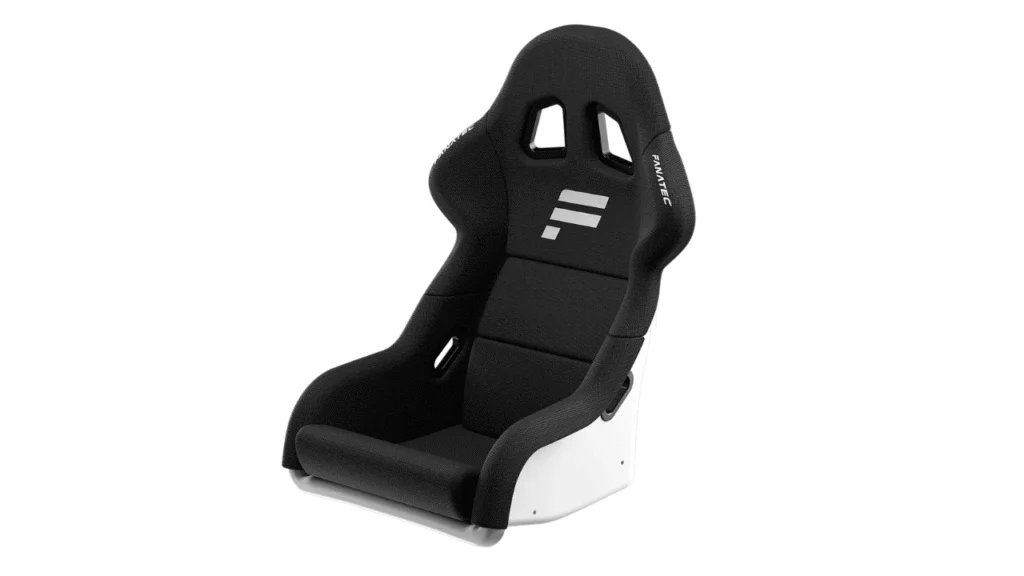
🪑 What to Look for in a Sim‑Racing Seat or Cockpit
Before comparing actual seats, it helps to understand what features and factors matter most when you’re building a rig:
- Frame & Structural stability: A cockpit chassis made of strong metal tubing or steel minimises flex under load — essential when using powerful direct‑drive wheels or heavy pedal sets.
- Adjustability: Ability to slide or adjust seat position, wheel height/angle, pedal plate distance — for ergonomics and to fit different body types or racing styles.
- Seat comfort and ergonomics: Breathable padding, proper lumbar support, and seat profile that supports long racing sessions without fatigue.
- Compatibility: Whether the seat works with your wheel, pedals, shifter, handbrake — and whether it fits standard mounting patterns.
- Upgrade paths & modularity: Option to upgrade pedals, add accessories (monitor mounts, shifter mounts, etc.) or swap seats — important for long-term use.
- Value for money vs performance: Getting enough build quality and comfort without overpaying for bells and whistles you may not use.
Keeping these criteria in mind makes comparing seats — from budget rigs to high‑end cockpits — more objective and tailored to your needs.
✅ Why Fanatec Seats & Cockpits Often Lead the Pack
Solid Frame and Build Quality
Fanatec-designed cockpits often use robust steel frames or reinforced tubing that withstand strong force‑feedback wheels and intense pedal pressure. This rigidity matters especially if you run direct‑drive wheels or heavy load‑cell pedals: a wobbly frame would dramatically reduce feedback precision and overall immersion.
Wide Adjustability for Comfort and Ergonomics
Many of Fanatec’s seats and cockpit systems offer extensive adjustability. You can fine‑tune seating position, wheel distance, pedal spacing, and overall posture. This flexibility helps not only with comfort, but also with adapting your setup whether you're simming a road‑car, GT, rally or open‑wheel racer.
This adjustability also makes shared rigs practical: if multiple people of different heights use the same cockpit, changes can often be made quickly without tools.
Modular and Compatible Ecosystem
Because Fanatec builds a complete ecosystem — wheels, pedals, cockpits, accessories — their seats and chassis tend to integrate smoothly with their other products. Also, many seats support standard mounting patterns, which means you can sometimes use third‑party racing seats too.
This compatibility gives flexibility: you can start with a basic seat or chassis, then upgrade components later as you grow your sim‑racing ambitions.
Comfortable for Long Sessions
Fanatec often offers seats with ergonomic design and good padding. Ventilated fabric or supportive bolsters help during long endurance races or extended practice sessions, reducing fatigue and maintaining posture for hours on end.
For those who simulate multi‑hour races or spend many hours practicing, comfort becomes nearly as important as performance.
⚠️ Common Trade‑offs or Limitations to Watch Out For
While Fanatec seats have many strengths, there are also downsides or aspects worth considering — depending on your priorities.
Added Cost for Full Setup
A quality cockpit or seat often does not include wheel, pedals, or accessories. That means to get a complete setup, you might need substantial extra investment.
If you’re building from scratch, total cost can climb quickly once you add seat, wheel, pedals, monitor mount, etc.
Flexible/Flexible Seat or Pedal Deck in Some Models
Some reviews note that certain seat or pedal decks — especially in mid-tier models — show minor flex under heavy loads (e.g. hard braking or strong force feedback). That flex can subtly reduce feedback fidelity, affecting realism.
For light use or casual racing, this may not matter much — but for hardcore sim‑racers who demand precise feedback, a sturdier build might be worth the extra cost.
Size, Fit and Personal Comfort Variations
Seats designed for a “standard” body size may not feel ideal for everyone. Taller or heavier riders might find some seats too cramped or short. Also, seat comfort (padding, lumbar support, cushion firmness) is quite subjective — what’s ideal for one person may be uncomfortable for another.
Third‑party seats may offer better ergonomics, but compatibility and mounting can become challenges.
Upgrades and Add‑ons Can Add Up
While modularity is an advantage, upgrading pedals, seats, or adding accessories (monitor stands, shifter mounts) often means extra cost. If budget is limited, a simpler initial build may be best — but that may limit long‑term performance or comfort.
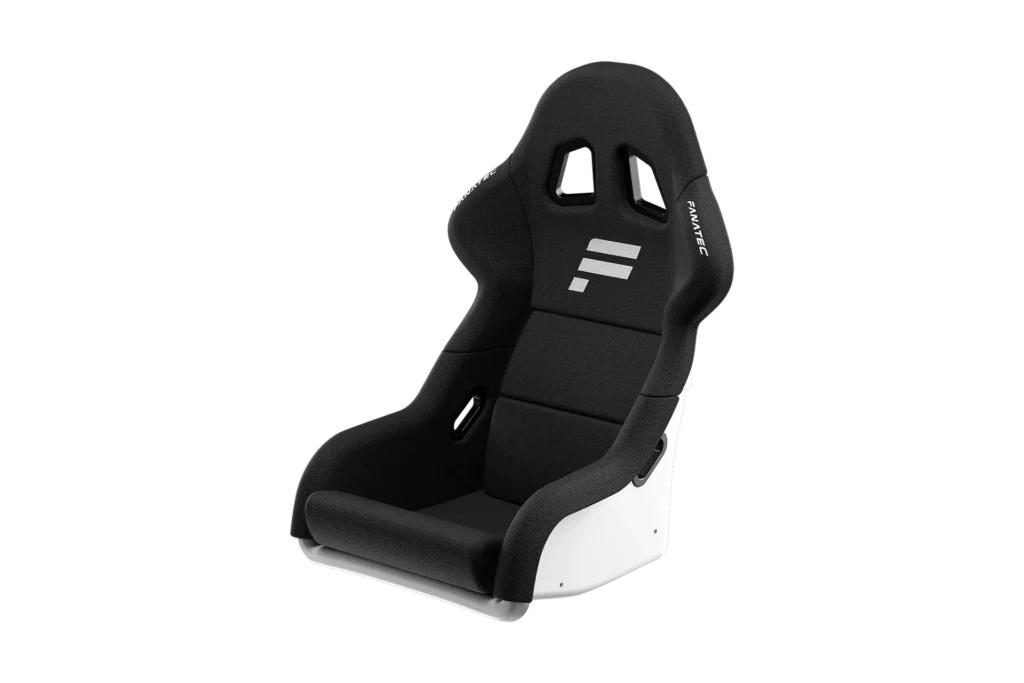
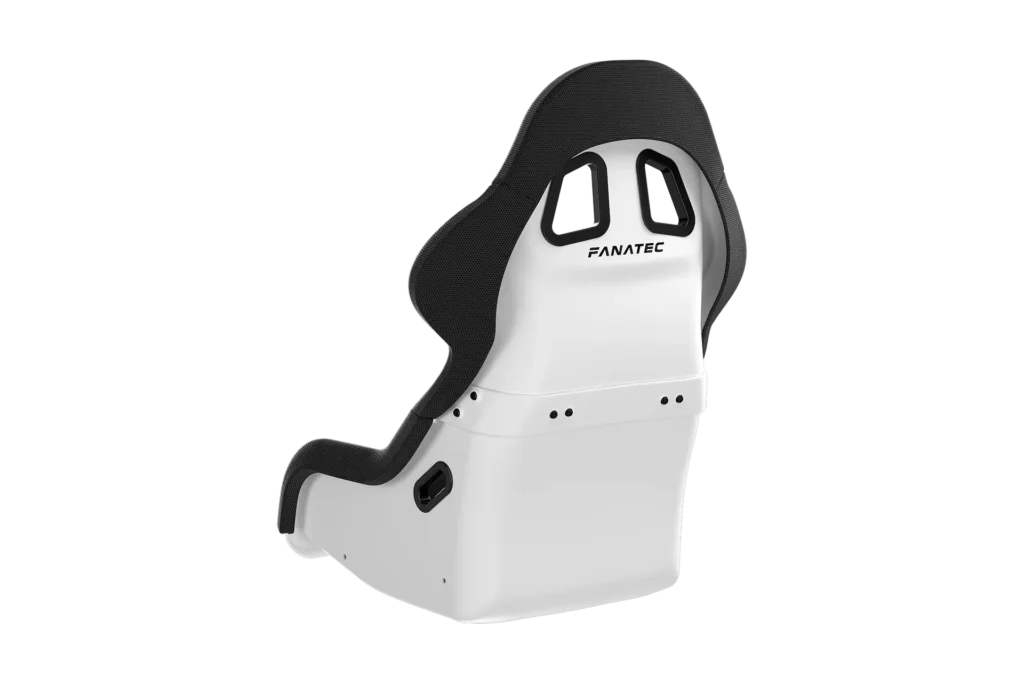
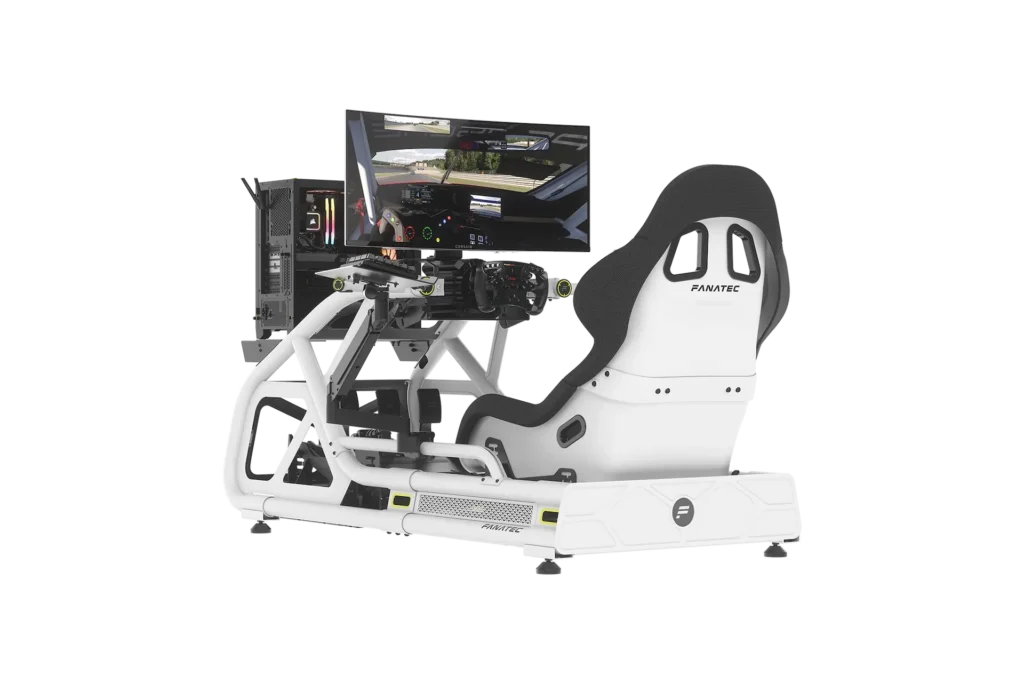
📊 Quick Seat & Cockpit Comparison — Fanatec + General Seats
| Feature / Need | Fanatec Cockpit / Seat | Basic / Budget Seat | High‑end Premium Seat (third‑party) |
|---|---|---|---|
| Structural stability with DD wheels | High — solid frame | Often low/medium | High — reinforced frames & mounts |
| Adjustability (seat, wheel, pedals) | Excellent — tool‑free options | Limited or none | Varies — often adjustable with add‑ons |
| Comfort for long sessions | Good — padded, ergonomic | Poor to moderate | Very good — premium padding & support |
| Compatibility with gear | Very high (Fanatec ecosystem + many third‑party) | Varies | Good — but may require adapters |
| Cost to build full rig | Medium → High | Low → Medium | High → Very High |
| Upgrade & longevity potential | Strong — modular and expandable | Weak — limited upgrade paths | Strong — high‑end components, customizable |
🎯 Who Should Go for a Fanatec Seat or Cockpit — and Who Might Look Elsewhere
✅ Fanatec is ideal if you:
- Want a stable, long‑lasting foundation for a direct‑drive wheel and serious pedals.
- Plan to race regularly and need comfort for long sessions.
- Value adjustability and ergonomic flexibility (especially if multiple people use the rig).
- Prefer building a modular sim‑racing setup that can evolve over time.
- Are willing to invest a bit more for quality, durability, and better feedback.
⚠️ You might consider alternatives if you:
- Have a limited budget and don’t need premium features.
- Rarely race or only play casually — then a simple seat might suffice.
- Require a very specific seat shape or comfort that standard rigs don’t offer (then a custom or third‑party seat might fit better).
- Want a budget‑friendly starter rig and accept trade‑offs in build quality or feedback detail.
🏁 Final Thoughts: Fanatec Offers a Balanced, Long-Term Option for Serious Sim‑Racers
If you care about immersion, control precision, and comfort — especially over long sessions — a well-chosen Fanatec seat or cockpit represents a strong long-term investment. Its combination of stability, adjustability, modularity, and ergonomic comfort makes it stand out compared with basic rigs or budget options.
That said, nothing is one-size-fits-all. The “best” seat depends on your budget, body type, gear, and racing style. If you want maximum realism and plan to grow your sim‑racing setup, sticking with Fanatec (or a compatible high‑quality seat) is a smart move. If you're more budget-conscious or just experimenting, simpler solutions may suffice — but with trade‑offs in comfort, feedback, and upgrade potential.
👉 Check out the official product page here:
ClubSport Steering Wheel GT3 Endurance for Xbox
Fanatec Podium Button Module Review: Upgrading Rally Control on Your Rim

