Table of Contents
Last updated: May 30, 2026. Best Dropshipping Platforms searches are high intent in 2026, but the right platform depends on use case: validation speed, subscription clarity, automation depth, or sourcing flexibility.
In Summary
The safest way to choose Best Dropshipping Platforms is to rank tools by use case and business stage. A platform that is perfect for validation can be weak for scale, and a platform built for scale can be too costly for early testing.

Best Dropshipping Platforms: Ranking Method
This Best Dropshipping Platforms ranking uses practical criteria: billing clarity, trial risk, supplier workflow, order automation, and operational control for beginners. The ranking is not about brand popularity. It is about repeatable execution and margin protection.
- Pricing model and renewal exposure
- Supplier and catalog execution
- Automation utility versus complexity
- Beginner-friendliness in first 30 days
- Fit for scaling versus fit for testing
Best Dropshipping Platforms in 2026 (Ranked by Use Case)
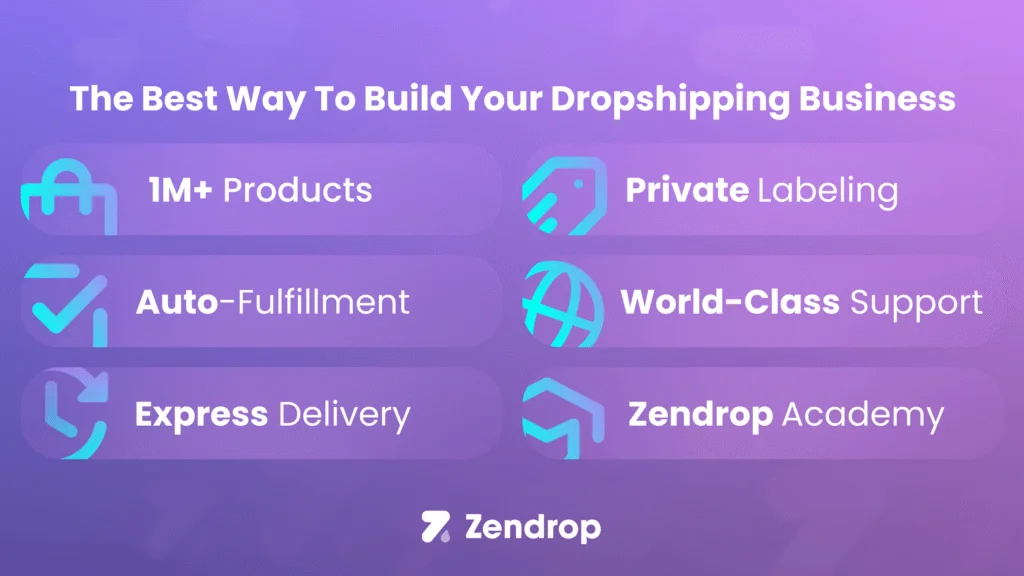
1) Zendrop: Strong when you want documented billing models, onboarding guidance, and clear progression into larger workflows.
2) Spocket: Strong when you want subscription clarity and a clean workflow for supplier discovery and account controls.
3) DSers: Strong for AliExpress-centric sellers needing bulk order logic and structured plan tiers.
4) AutoDS: Strong for automation-first operators who value centralized tooling and multi-channel workflow coverage.
5) CJdropshipping: Strong for sourcing-flexibility users who prefer no heavy upfront subscription model and pay-per-order style execution.
For most beginners researching Best Dropshipping Platforms, the top practical sequence is Zendrop or Spocket first, then expand tooling only after validation.

Use-Case 1: Product Validation Phase
In validation mode, Best Dropshipping Platforms should minimize fixed risk. Monthly plans, transparent renewals, and fast test loops matter more than advanced add-ons. Zendrop and Spocket are usually easier for this phase because they provide clearer planning pathways for small catalogs.
Use-Case 2: Early Growth With Repeating Orders
When orders become consistent, the Best Dropshipping Platforms are those that reduce manual errors. Here, platform billing behavior and automation reliability become more important than entry discounts. This is where DSers or AutoDS can become strategic additions depending on channel and sourcing model.
Use-Case 3: Multi-Store or High-Complexity Operations
At higher complexity, Best Dropshipping Platforms should support process control: predictable billing, supplier QA workflow, and operational reporting. Teams that skip process governance usually lose margin despite using premium tools.
Practical 30-Day Test Framework
- Choose one core platform and one niche only.
- Track weekly margin, fulfillment reliability, and billing events.
- Record every renewal and plan transition date.
- Upgrade only after stable conversion and supplier consistency.
This framework turns the Best Dropshipping Platforms question into measurable decision-making.
CTA: Compare Live Deals by Platform
Before committing, compare active Zendrop and Spocket offers by category and tag pages.
Internal Resources You Should Read Next
- #19 Zendrop Promo Code 2026
- #20 Spocket Coupon Code 2026
- #21 Zendrop vs Spocket for Beginners
- Zendrop deals tag
- Spocket deals tag
- Dropshipping category deals
Stage-Based Selection Model for Beginners
When evaluating tools, classify your business stage first: exploration, validation, controlled scaling, or multi-store expansion. The right stack for exploration is usually lightweight and reversible. The right stack for scaling prioritizes automation controls and error recovery. By matching platform complexity to your stage, you avoid paying for features your team cannot operationalize yet. This stage-based model is one of the easiest ways to keep experimentation affordable while preserving decision quality.
Document your stage in a single dashboard so every decision in product, support, and finance follows the same operating assumptions.
KPI Framework to Compare Platform Fit
A useful KPI framework includes five indicators: average fulfillment delay, gross margin stability, refund pressure, support response time, and billing predictability. Review these indicators weekly and assign a simple red, yellow, or green status. If two or more indicators stay red for two consecutive cycles, your current platform fit should be reevaluated. This method keeps platform decisions evidence-driven and reduces noise from short-term social trends.
Use the same KPI template across all tools you test so performance comparisons stay consistent and actionable.
Pricing Discipline and Renewal Governance
Subscription governance is often ignored by beginners. Build a renewal calendar with owner assignment, plan context, and cancellation thresholds. Every active subscription should have a clear business reason and expected output. If a subscription does not contribute measurable value after 30 to 45 days, downgrade or cancel. Governance discipline prevents cost creep and improves net margin resilience while your store is still finding product-market fit.
Do not rely on memory for renewal management. Calendar automation and written ownership are required controls.
Supplier Workflow Standardization
Supplier quality usually decides whether growth is profitable or chaotic. Standardize your supplier workflow: qualification checklist, response-time expectations, dispute process, and quality review cadence. Store teams that standardize early reduce surprises in late-stage scaling. Keep a short supplier scorecard and review it weekly. If a supplier repeatedly fails quality thresholds, replace quickly instead of increasing manual intervention.
Operational consistency at supplier level usually improves customer experience more than adding new store features.
Execution Roadmap for the Next 60 Days
Days 1 to 15: run controlled tests and map early performance gaps. Days 16 to 30: optimize the winning workflow and remove low-value tasks. Days 31 to 45: tighten reporting and improve support-response standards. Days 46 to 60: scale only the processes that remain stable under increased order volume. This roadmap helps teams convert platform selection into measurable business momentum rather than isolated software activity.
Recommended Sourcing Tutorials
To set up automated fulfillment, see our detailed guide: How to Start Dropshipping with Zendrop.
To integrate local US/EU suppliers, follow our Shopify walkthrough: How to Start Dropshipping with Spocket.
FAQ
Is there one winner among Best Dropshipping Platforms?
No. The winner changes by use case. Validation and scaling often require different tool priorities.
Should beginners start with annual billing?
Usually no. Start with controlled monthly validation and upgrade only after stable metrics.
How often should I reevaluate platform choice?
Review every 30 to 45 days using margin, fulfillment reliability, and billing risk indicators.
Final Takeaway
Best Dropshipping Platforms is a strategic question, not a trend question. Rank platforms by your current stage and choose the one that reduces avoidable operational mistakes.
Bottom CTA
Need a faster shortlist with live offer context?