Table of Contents
Last updated: May 17, 2026 Engraving.
Why Most Sellers Underprice Custom Engraving
Most shops lose margin because they only count raw materials and skip revision time, machine setup, packaging friction, and platform fees. If you want predictable profit, your quote model must price the full workflow, not just the laser pass.

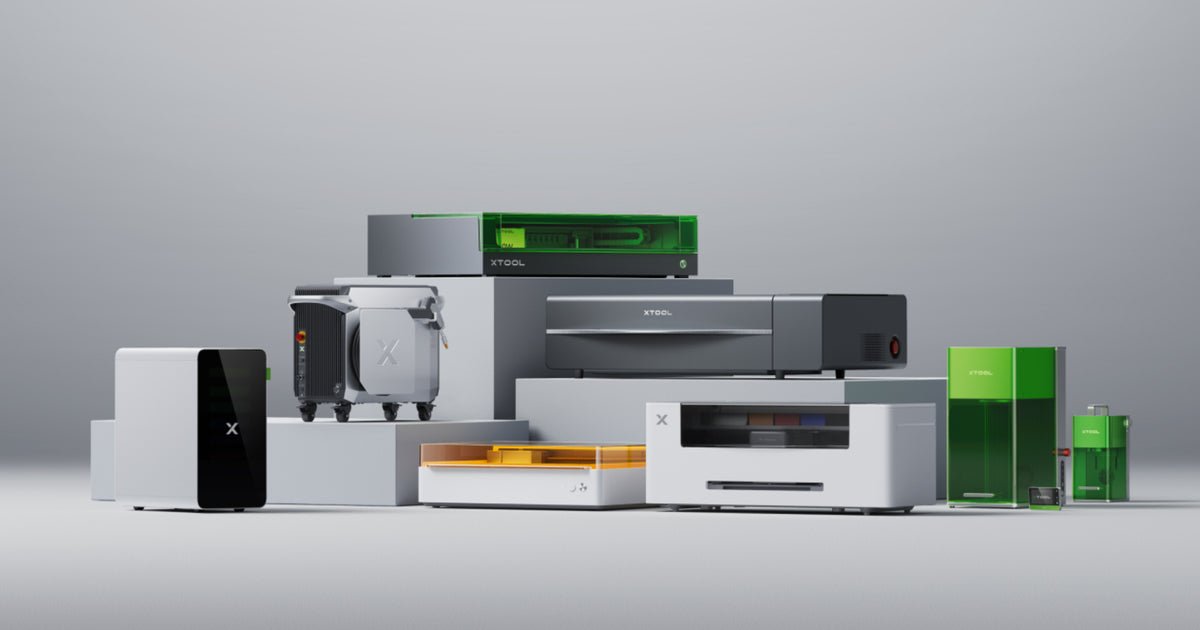
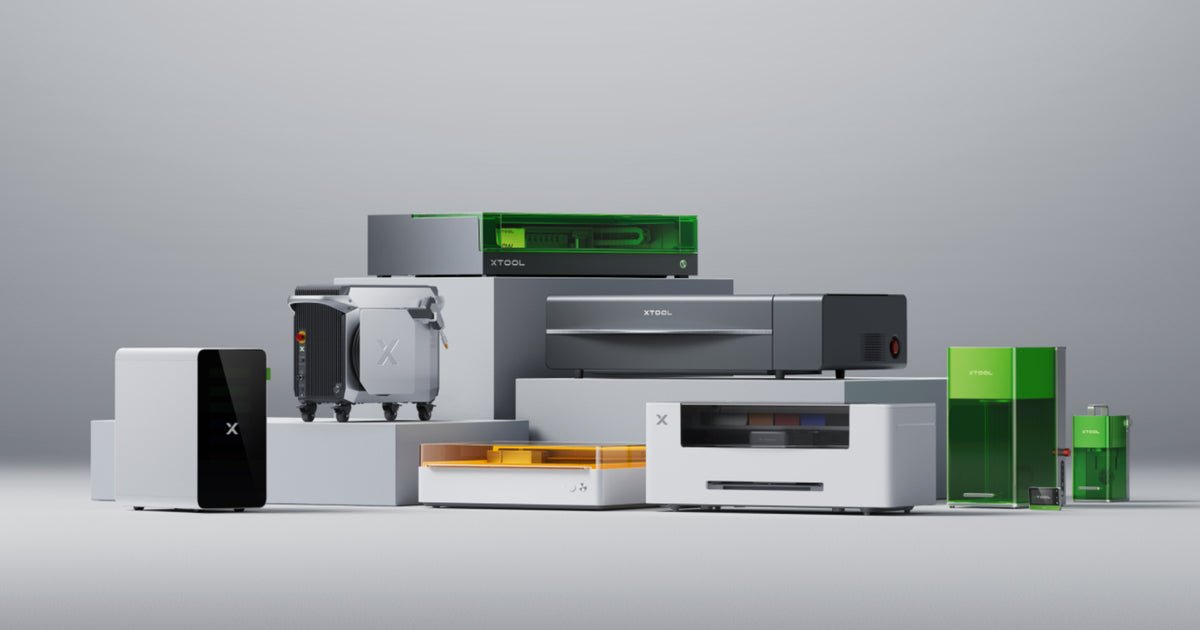
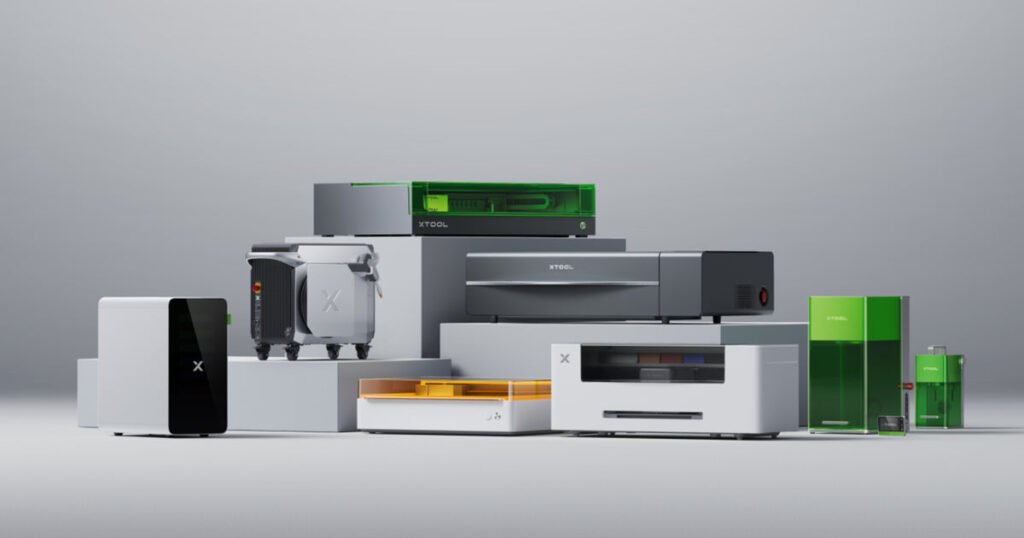
Image reference: material selection and margin impact.
Image reference: production workflow and setup efficiency.
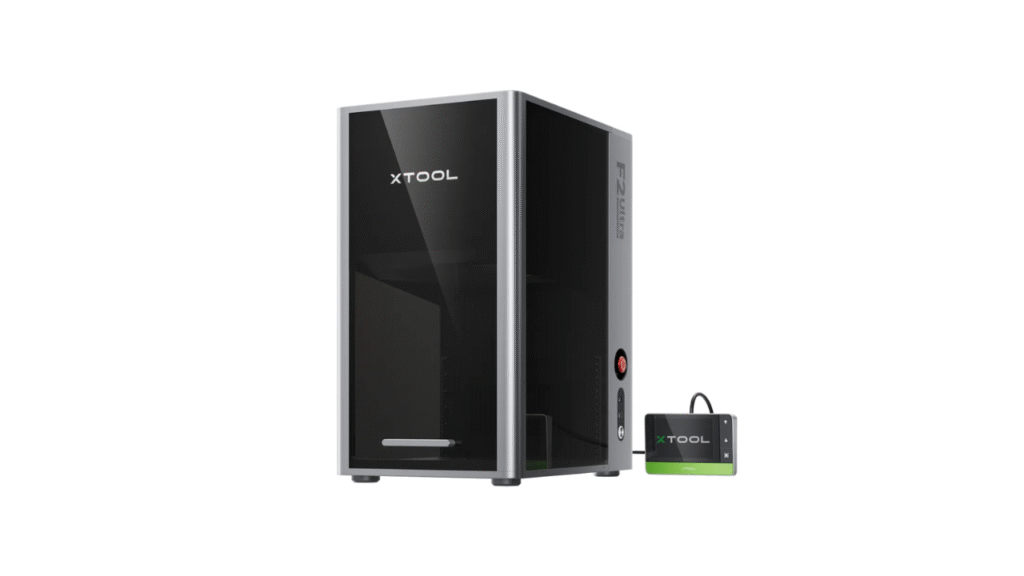
Image reference: xTool machine planning context.
The Core Formula for Profitable Quotes
Use this base equation: Final Price = (Direct Cost + Labor + Overhead + Risk Buffer) / (1 – Target Margin). For most custom orders, a realistic target margin is 30% to 45% depending on complexity and remake risk.
Cost Buckets You Must Track Every Week
- Material cost per unit plus expected waste.
- Machine time including setup and cleanup.
- Design/revision communication time.
- Packaging and fulfillment handling.
- Etsy/payment/platform fees.
- Risk buffer for remake, breakage, urgent edits.
Set Tiered Pricing to Lift Average Order Value
Create 3 tiers for each SKU: Basic, Plus, and Premium. This lets value buyers self-select without forcing custom negotiation for every order.
- Basic: one personalization field, standard material.
- Plus: upgraded size/material or design variation.
- Premium: priority queue, gift-ready packaging, deeper customization.

Rush Fee and Revision Rules
Publish clear rules inside your listing policy. A simple structure works: rush fee +20% to +35%, one minor revision included, extra revisions billed per round, production starts after proof approval.
Sample Quote Walkthrough
Example custom plaque order:
- Material + waste: $8.00
- Machine + setup: $10.00
- Design + communication: $7.00
- Packaging + fees + overhead: $9.00
- Total cost: $34.00
- At 35% margin target: $34 / 0.65 = $52.30
Final list price can be placed at $52-$55 based on shipping profile and remake risk.
Internal Resources to Use This Week
Start with the operator setup: How to Start a Laser Engraving Side Business in 2026. Then map profitable SKUs via xTool for Etsy Sellers: Product Ideas That Actually Sell. Before restocking gear, check xTool Promo Codes (May 2026) and the corresponding merchant page on Couponpopper xTool deals.
In Summary: Profitable this service pricing is a system, not intuition. Track full cost, enforce revision policy, and price by margin target. That is how you scale without revenue leak.
CTA: Validate Deals Before Pricing Machine-Based Bundles
Before you publish final engraving bundles, verify active machine deals to protect your margin assumptions.
Bottom CTA
Engraving: quick execution guidance
Ready to execute this pricing model? Pair it with a focused SKU workflow and launch your first 30-day plan.
FAQ
What is a good margin for custom engraving?
A practical baseline is 30%+ net margin, with higher targets for complex or rush work.
Should design time be charged separately?
Yes. Either add a setup fee or include it explicitly in package tiers so labor is never hidden.
How often should I update pricing?
Review weekly for material and fee drift; hard refresh your public pricing every 30 to 45 days.
Final Takeaway
If your quote model is consistent, custom this workflow becomes predictable and scalable. If it is inconsistent, growth increases workload but not profit.
Related competitor deal view: xTool vs Glowforge discount comparison.
Reference: Google helpful content guidance.
Engraving Pricing Benchmarks by Order Type
Use different custom personalization margin targets for simple template jobs, moderate custom jobs, and rush/complex custom personalization requests. This keeps quote quality consistent as order complexity changes.
Engraving Quote Template You Can Reuse
Build one the production process quote template with line items for material, machine time, labor, platform fees, and risk buffer. Reusing this template improves turnaround and reduces underpricing errors.
Engraving Profit Review Cadence
Run a weekly this service margin audit and a monthly price refresh. This catches fee drift, material inflation, and low-margin SKUs before they damage profitability.
Practical Execution Notes
Document your weekly outcomes, compare expected margin vs actual margin, and adjust product mix. Consistent review loops improve both SEO helpfulness and conversion reliability.
Engraving Cost Breakdown by Product Category
For this workflow sellers, costs behave differently by category. Flat signs, jewelry tags, desk plaques, and bundle kits each carry different setup time and waste profiles. Track category-level costs instead of one universal markup.
Engraving Margin Protection During Seasonal Peaks
During peak seasons, custom personalization businesses often over-discount and lose margin. Keep a floor price, use queue-based rush fees, and reduce low-value customization options when capacity is limited.
Engraving Revision Policy That Reduces Rework
A clear the production process proof policy reduces rework. Require one approval checkpoint, limit revision rounds, and define what counts as minor vs major change before production starts.
Engraving KPI Dashboard for Weekly Decisions
Use a weekly dashboard with average order value, net margin per SKU, remake rate, and turnaround time. These this service KPIs show where pricing must be adjusted.
Engraving Offer Strategy Without Margin Erosion
Instead of sitewide discounts, use targeted this workflow offers: bundle upgrades, free personalization threshold, or limited-time shipping perks that preserve unit economics.
Engraving Scenario Planning for New Sellers
Plan three custom personalization scenarios before finalizing prices: low demand week, normal week, and peak week. Scenario-based pricing protects your business when volume and labor intensity shift quickly.
Engraving Pricing Mistakes to Avoid in 2026
Avoid flat pricing across all materials, ignoring fee changes, and offering unlimited revisions. These the production process mistakes quietly reduce profit even when top-line revenue grows.
Check current deal status: verified coupon page.
Reference: IRS small business basics.
Reference: SBA finance guide.
Engraving Profit Buffer Rules for Volatile Costs
this service pricing becomes unstable when material and shipping costs move quickly. Build a buffer rule for custom this service jobs: a fixed protection amount plus a percentage-based margin layer. This keeps your this service quotes sustainable during supplier price swings.
Engraving Price Testing Framework for Better Conversion
Test this workflow price ladders with controlled ranges, not random discounts. For custom this workflow offers, compare conversion and net margin at each price point for at least two full sales cycles. Keep the this workflow option that protects both close rate and profit per order.
Engraving Capacity Planning Before Seasonal Peaks
Seasonal custom personalization demand can overload production. Price custom custom personalization orders with a seasonal capacity factor that reflects lead time, rush probability, and rework risk. This custom personalization planning step avoids backlog and preserves delivery quality.
Engraving Quote Review Checklist for Team Consistency
Use a shared the production process review checklist before sending any custom the production process quote: material assumptions, setup time, personalization complexity, fulfillment fees, and revision boundaries. Standardized engraving review prevents inconsistent pricing across team members.
Engraving Post-Sale Margin Audit and Repricing Trigger
After fulfillment, audit each engraving order against forecasted costs. If custom engraving margin falls below your floor for two consecutive weeks, trigger repricing immediately. This engraving audit loop prevents long-term underpricing.
Cost Recording Workflow for Better Quote Accuracy
Create a repeatable cost recording workflow with weekly updates for materials, packaging, labor time, and platform fees. Keep one table per product family and compare expected versus actual cost per completed order. This process improves quote accuracy and prevents underpricing when costs move quickly. Add a short variance note after each week so you can track which assumptions were wrong and why.
Revision Boundaries and Approval Stages
Set clear revision boundaries before production starts. Define how many proof rounds are included, what counts as a minor correction, and what triggers an additional charge. Add one approval stage before fabrication and one confirmation stage before shipment. This structure reduces avoidable rework, protects timeline commitments, and keeps customer communication consistent across your team.
Operational KPI Loop for Margin Protection
Track a focused KPI loop each week: average order value, net margin, remake rate, and turnaround time. If net margin drops while remake rate rises, adjust quote assumptions before changing discounts. If turnaround expands beyond your target window, apply capacity-aware pricing for rush requests. A stable KPI loop helps preserve profitability without sacrificing customer trust.