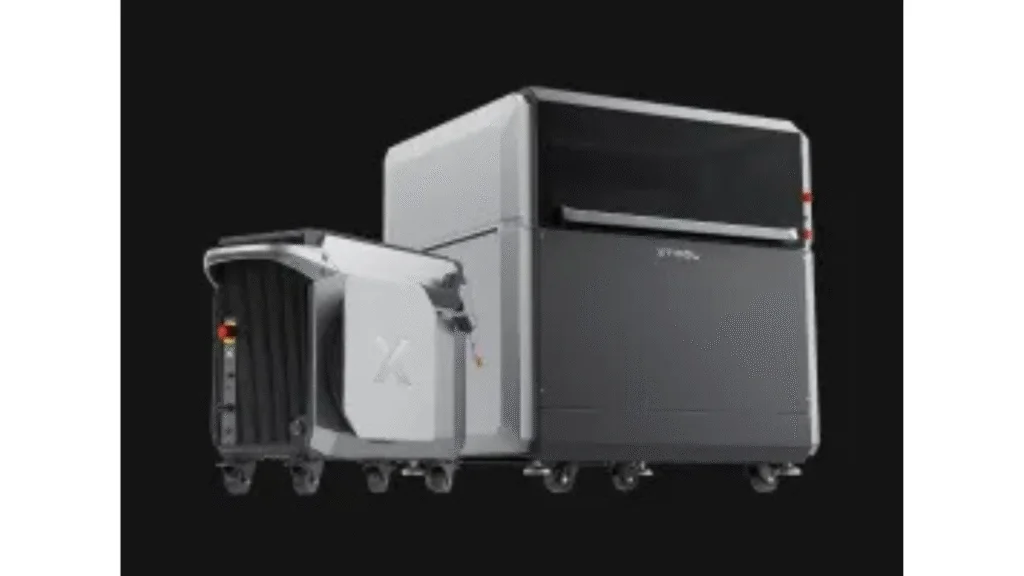
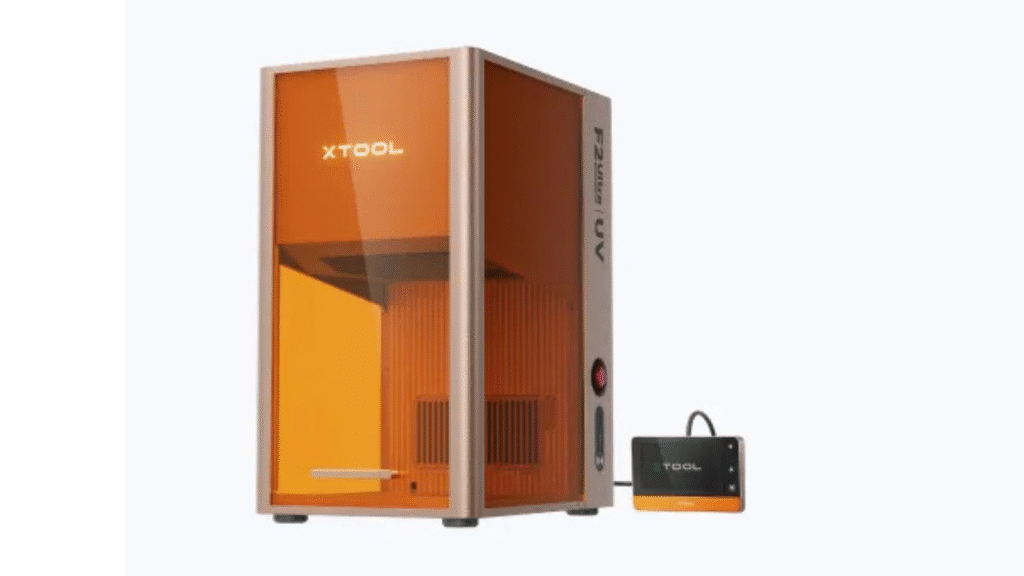
If you run a growing workshop, this guide breaks down the best laser cutter for small business 2026 from budget-friendly entry options to pro-level production systems. The goal is simple: match machine class with real workload, not marketing noise.
In Summary
The best laser cutter for small business in 2026 depends on your order volume, material mix, and turnaround expectations. Buyers who map these three factors first usually avoid expensive misfits.
What “Budget to Pro” actually means in 2026
Budget machines are ideal for low-volume personalization and learning workflows. Mid-tier systems usually unlock better speed stability and accessory compatibility. Pro machines matter when repeat output quality, batch handling, and downtime control are critical to revenue.
Decision framework: choose by business model
- Starter sellers: prioritize low-risk setup and broad beginner support.
- Scaling stores: prioritize repeatability, cleaner cut edges, and faster job turnover.
- Production teams: prioritize uptime, accessory ecosystem, and process standardization.
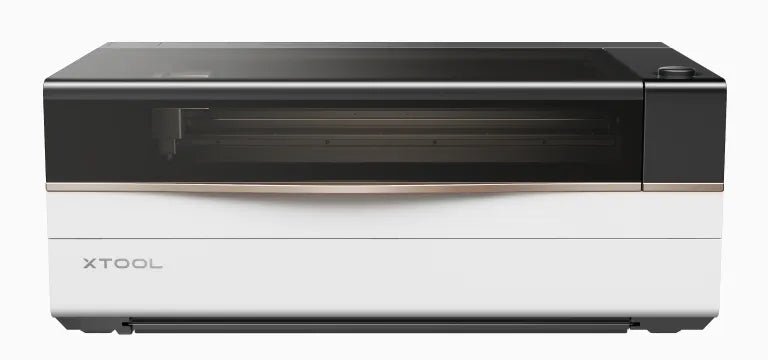
Recommended buying flow before checkout
- Define your top five materials and thickness ranges.
- Estimate weekly order volume and turnaround targets.
- Pick machine class that fits workflow, then compare upgrade path.
- Validate discount timing and final cart economics.
Must-read references before buying
Use this BOFU discount guide first: xTool Promo Codes 2026: Verified Deals & Savings Guide.
Then compare model positioning here: xTool M1 Ultra vs P2S vs F1 Ultra: Which One Should You Buy?.
For live coupon category tracking, check: laser deals coupon category.
FAQ
How much should a small business spend first?
Most new operators should start with the machine class that supports their top-selling products for at least six months, then scale accessories based on proven demand.
Is buying pro-level too early a mistake?
It can be, unless your order forecast already justifies higher throughput and operating stability from day one.
What is the #1 mistake in machine selection?
Buying by headline specs without mapping material workflow and production targets.
Final takeaway
The best laser cutter for small business 2026 is the one that aligns with your real production rhythm, not just maximum power claims. Choose by workflow first, then optimize purchase timing with verified coupons.
Deeper comparison: budget, mid-tier, and pro classes
In real operations, budget laser systems can be profitable when order volume is low and customization complexity is moderate. They are best used for controlled product catalogs where setup does not change too often. Mid-tier machines are typically the strongest value zone for most small businesses because they balance speed, stability, and operating cost.
Pro machines become practical when your team is dealing with frequent order cycles, wider material coverage, and strict output consistency. The true difference is not just raw power; it is the ability to hold quality under repeated workloads without introducing costly rework.
Operating-cost model for small business owners
- Machine cost: initial purchase plus essential accessories.
- Material cost: waste rate, defect rate, and retest frequency.
- Labor cost: setup time, calibration time, and job finishing time.
- Downtime cost: maintenance and failed jobs during peak periods.
This model helps identify the best laser cutter for small business 2026 in practical terms, not only spec-sheet comparisons.
When to upgrade from budget to pro
A practical trigger is when your current workflow starts losing margin due to repeated slowdowns, inconsistent edges, or excessive material retesting. At that point, upgrading machine class can increase throughput enough to justify the higher upfront investment.
Risk-control checklist before payment
- Confirm compatible materials for your top selling products.
- Verify accessory roadmap for the next 6-12 months.
- Calculate expected output per week at your current order level.
- Test final cart with and without coupon combinations.
CTA: compare and save before checkout
Open xTool coupon deals to reduce total checkout cost
Final note for MOFU buyers
The best laser cutter for small business 2026 is usually the machine that protects margin through stable workflow, not the one with the biggest headline claim. Buy by operating reality, then optimize discounts at checkout.
Scenario examples for small business buyers
A custom gift shop with lower volume usually benefits from a stable starter-to-mid workflow with fewer setup changes. A signage-focused studio often needs better edge consistency and larger job repeat reliability. A mixed product store should prioritize flexibility first, then upgrade throughput when order volume stabilizes.
These practical scenarios show why the best laser cutter for small business 2026 is context-dependent. Use real order patterns to decide when budget models are enough and when pro capabilities become necessary.
Best Laser Cutter for Small Business 2026: Fast Decision Checklist
Use this checklist to align machine class with your weekly order volume, material mix, and quality requirements before checkout.
External reference before purchase
Official xTool comparison page: xTool laser machine comparison.
Keyword-focused buyer summary
The best laser cutter for small business 2026 should be selected by workflow fit, then validated with discount timing and final cart economics. This approach protects margin and improves long-term equipment ROI.
FAQ
How should I evaluate this topic before buying?
Validate use-case fit, total checkout value, and workflow requirements before final payment.
What is the biggest buyer mistake?
Comparing headline discounts without checking plan scope, exclusions, and final cart economics.
Should I verify deals before checkout?
Yes. Always re-check active offers and compare final totals in one checkout session.