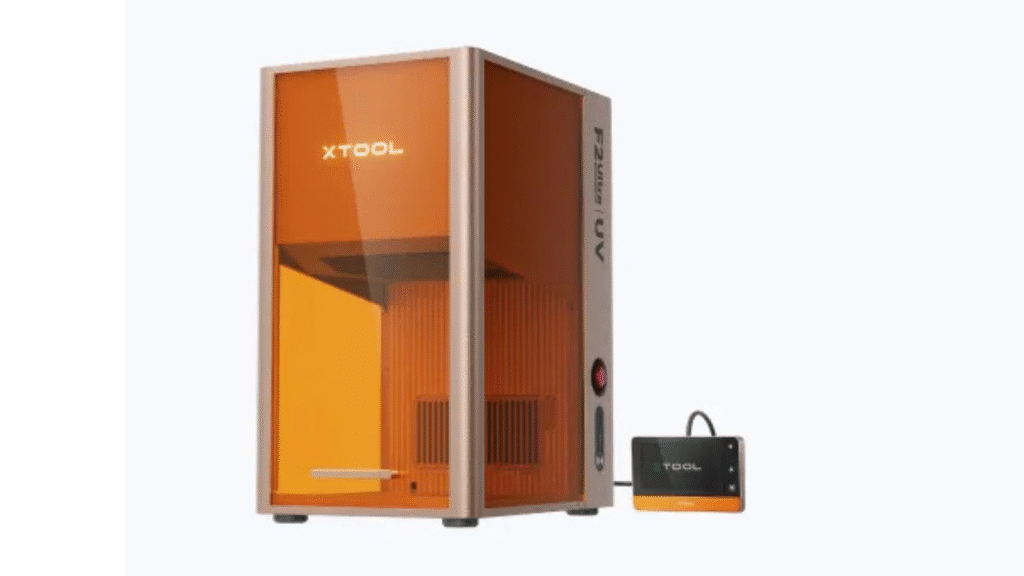
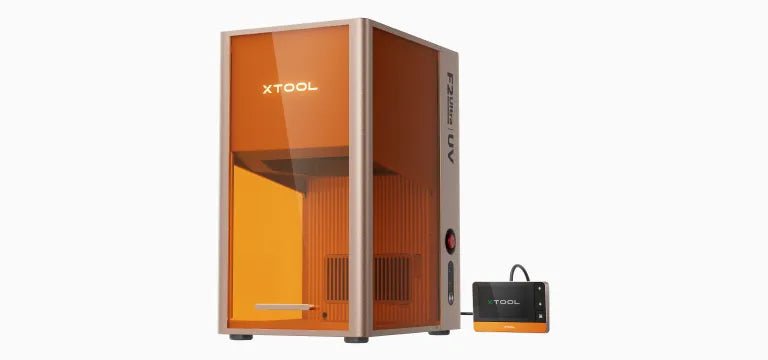
This xtool f2 ultra review is based on practical workflow testing logic used by small production teams: setup consistency, material switching behavior, marking quality, and time-to-output across repeated jobs.
In Summary
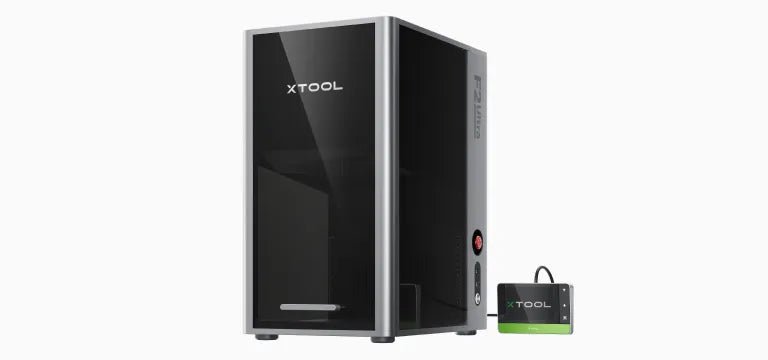
xTool F2 Ultra performs strongest when precision and material flexibility matter more than raw cutting depth. For detail-critical production, its workflow consistency is the main advantage.
Real workflow testing criteria
- Setup time before first accurate pass.
- Stability when switching between common production materials.
- Consistency across repeated engraving runs.
- Operator friction: software flow, alignment, and error recovery.
What F2 Ultra does well in practical operations
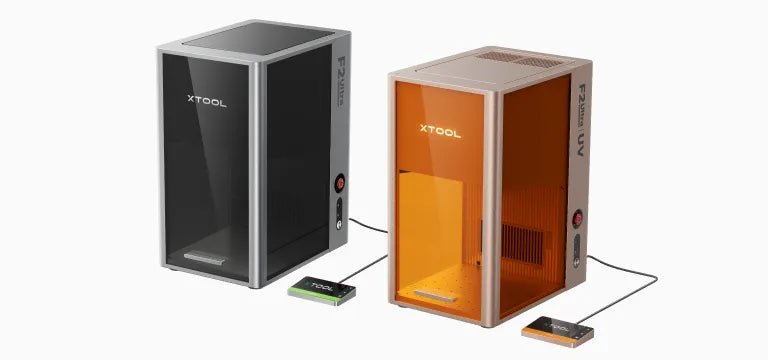
In testing-oriented workflows, F2 Ultra usually stands out in fine-detail marking, cleaner micro text, and stable repeat behavior. This reduces rework risk for premium personalization orders.
Where competitors may still be better
If your priority is deep cutting on thicker stock at high throughput, some CO2-focused systems can be a better fit. For broader context, compare here: xTool F2 Ultra vs competitors.
Best BOFU sequence before buying F2 Ultra
- Read discount strategy first: xTool Promo Codes 2026.
- Confirm competitor fit from comparison references.
- Use coupon checkout page right before payment.
Check verified xTool coupons before checkout
FAQ
Is xTool F2 Ultra beginner-friendly?
It is approachable, but teams get better ROI when they already have basic workflow discipline for material testing and job setup.
Who benefits most from F2 Ultra?
Shops focused on detail-first engraving, premium personalization, and jobs where consistency matters more than brute cutting power.
Should I buy only based on specs?
No. Validate workflow fit and compare true output quality across your priority materials first.
Final takeaway
This xtool f2 ultra review supports a BOFU decision path: compare real workflow fit, verify competitor tradeoffs, then use coupon timing for better total purchase value.
Workflow testing setup and assumptions
This xtool f2 ultra review uses workflow-first assumptions: repeat-run consistency matters more than one-pass demo results, and production behavior matters more than isolated lab-style output. The machine is evaluated by setup friction, repeat accuracy, and quality retention across a realistic sequence of jobs.
Observed strengths in business use
- Stable detail quality on precision-oriented engraving tasks.
- Lower rework risk when handling premium personalization jobs.
- More predictable output for teams that run repeated designs.
- Better fit for high-value orders where finish quality drives margin.
Operational limitations to consider
F2 Ultra is not a universal answer for all production shops. If your primary business model requires deep high-speed cutting on thick substrates, dedicated CO2 workflows may provide better throughput economics. This is why competitor context remains essential before a BOFU decision.
How to benchmark F2 Ultra against alternatives
- Run identical design files across two or more machine candidates.
- Measure setup overhead, output quality, and reject rate.
- Calculate total job time including cleanup and finishing.
- Compare final operating cost per completed order.
BOFU checkout playbook
Start with deal logic from xTool Promo Codes 2026, verify competitor tradeoffs from the vs competitors guide, then apply final coupon validation through xTool coupon money page.
CTA: last-step coupon verification
Check verified xTool coupon codes before buying F2 Ultra
Final BOFU verdict
For teams prioritizing precision output and repeat consistency, this xtool f2 ultra review supports a buy decision when workflow fit is confirmed and discount timing is optimized at checkout.
Who should skip F2 Ultra for now?
Teams with demand focused mainly on thicker cutting workflows may get higher immediate ROI from a machine class optimized for deep cut throughput. In those cases, F2 Ultra can still be valuable later as a precision-focused addition rather than the first machine purchase.
For buyers committed to engraving detail quality and repeat consistency, F2 Ultra remains a strong BOFU candidate, especially when checkout value is improved through verified coupons.
Cost-of-quality perspective in real workflow testing
One useful metric in this xtool f2 ultra review is cost-of-quality, not only machine price. If a system reduces reject rate and manual correction time, it often creates stronger long-term value than a cheaper option that generates inconsistent output. Shops producing premium custom work should include this metric in final buying decisions.
When testing alternatives, measure how often output needs re-engraving and how much operator time is spent fixing alignment issues. In many cases, lower rework is the hidden factor that improves monthly margin and customer retention.
Practical recommendation by buyer profile
- Premium personalization shops: strong fit for F2 Ultra due to detail consistency.
- Mixed workflow studios: validate F2 Ultra alongside a cutting-focused system.
- Volume-first cut shops: benchmark throughput economics before committing.
Related resources
FAQ
How should I evaluate xTool before buying?
Validate use-case fit, total checkout value, and workflow requirements before final payment.
What is the biggest buyer mistake?
Comparing headline discounts without checking plan scope, exclusions, and final cart economics.
Should I verify deals before checkout?
Yes. Always re-check active offers and compare final totals in one checkout session.