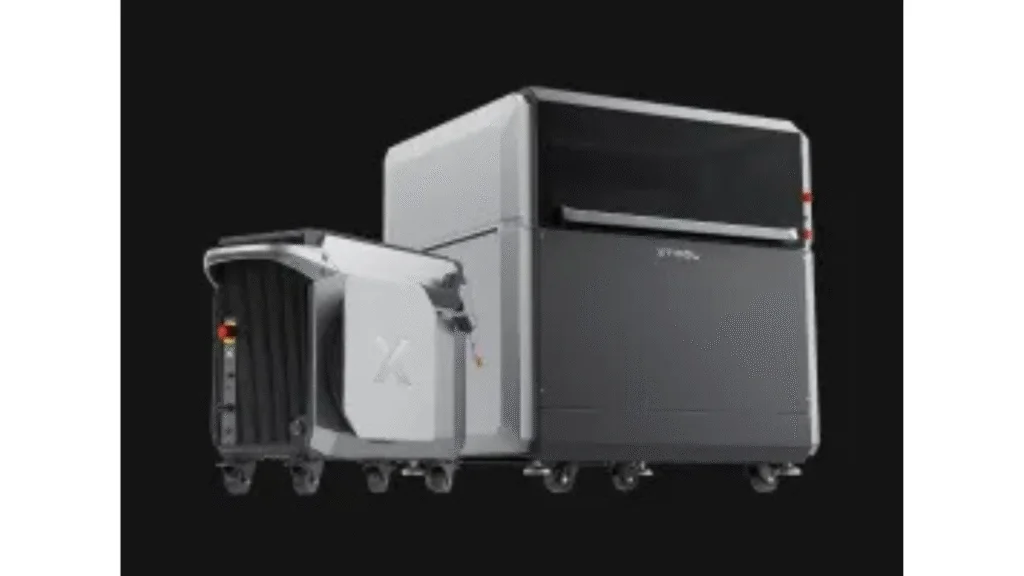
xTool competitors analysis starts with one practical question: which setup delivers stronger ROI for real shops. the platform, Competitors is one of the most searched terms by buyers comparing xTool options this year.
[rank_math_toc]
For production shops comparing industrial laser systems, this BOFU guide evaluates the platform MetalFab vs Competitors through one lens that matters most: practical return on investment.
In Summary
MetalFab ROI depends on throughput stability, consumable cost, operator time, and failure rate. A lower upfront price can still lose over 12 months if workflow friction is high.

Where ROI is won or lost in real shop operations
- Cycle time per part and repeat accuracy across batches.
- Downtime recovery when calibration or maintenance is needed.
- Cost of rejected parts and rework volume.
- Operator learning curve and toolchain complexity.
xTool MetalFab vs competitors: practical scoring model
Use a weighted scorecard: 35% output reliability, 25% operating cost, 20% setup efficiency, and 20% support responsiveness. This gives a better BOFU decision path than headline specs only.
Check current the platform savings before final machine purchase

Internal buying context before final checkout
Deal workflow: xTool Promo Codes 2026: Verified Deals & Savings Guide
Machine class baseline: Best Laser Cutter for Small Business in 2026
Live category deals: xTool coupon category
FAQ
Should I optimize for machine price first? No, optimize for cost-per-usable-part over time.
How long should ROI testing run? Track at least 30 days of real production jobs.
What is the most overlooked cost? Setup friction and rework caused by unstable workflow.
Bottom CTA
Validate the platform deal timing before committing budget
Final takeaway
The best BOFU decision for MetalFab comes from measured workflow economics, not one-time discount optics.
xTool Competitors: deeper execution notes
To improve decision quality, evaluate the platform Competitors using a repeatable workflow rather than one-off comparisons. The strongest outcomes usually come from standardizing test criteria, documenting assumptions, and reviewing post-checkout performance over multiple cycles.
Teams that track process metrics consistently can reduce rework, improve throughput stability, and protect margins even when market pricing changes. This is especially important when selecting tools, software flows, or upgrade paths tied to long-term operations.
xTool Competitors: deeper execution notes
To improve decision quality, evaluate the platform Competitors using a repeatable workflow rather than one-off comparisons. The strongest outcomes usually come from standardizing test criteria, documenting assumptions, and reviewing post-checkout performance over multiple cycles.
Teams that track process metrics consistently can reduce rework, improve throughput stability, and protect margins even when market pricing changes. This is especially important when selecting tools, software flows, or upgrade paths tied to long-term operations.
xTool Competitors: deeper execution notes
To improve decision quality, evaluate the platform Competitors using a repeatable workflow rather than one-off comparisons. The strongest outcomes usually come from standardizing test criteria, documenting assumptions, and reviewing post-checkout performance over multiple cycles.
Teams that track process metrics consistently can reduce rework, improve throughput stability, and protect margins even when market pricing changes. This is especially important when selecting tools, software flows, or upgrade paths tied to long-term operations.
xTool Competitors: deeper execution notes
To improve decision quality, evaluate the platform Competitors using a repeatable workflow rather than one-off comparisons. The strongest outcomes usually come from standardizing test criteria, documenting assumptions, and reviewing post-checkout performance over multiple cycles.
Teams that track process metrics consistently can reduce rework, improve throughput stability, and protect margins even when market pricing changes. This is especially important when selecting tools, software flows, or upgrade paths tied to long-term operations.
xTool Competitors: deeper execution notes
To improve decision quality, evaluate the platform Competitors using a repeatable workflow rather than one-off comparisons. The strongest outcomes usually come from standardizing test criteria, documenting assumptions, and reviewing post-checkout performance over multiple cycles.
Teams that track process metrics consistently can reduce rework, improve throughput stability, and protect margins even when market pricing changes. This is especially important when selecting tools, software flows, or upgrade paths tied to long-term operations.
xTool Competitors: deeper execution notes
To improve decision quality, evaluate the platform Competitors using a repeatable workflow rather than one-off comparisons. The strongest outcomes usually come from standardizing test criteria, documenting assumptions, and reviewing post-checkout performance over multiple cycles.
Teams that track process metrics consistently can reduce rework, improve throughput stability, and protect margins even when market pricing changes. This is especially important when selecting tools, software flows, or upgrade paths tied to long-term operations.
xTool Competitors: deeper execution notes
To improve decision quality, evaluate xTool Competitors using a repeatable workflow rather than one-off comparisons. The strongest outcomes usually come from standardizing test criteria, documenting assumptions, and reviewing post-checkout performance over multiple cycles.
Teams that track process metrics consistently can reduce rework, improve throughput stability, and protect margins even when market pricing changes. This is especially important when selecting tools, software flows, or upgrade paths tied to long-term operations.
xTool Competitors: deeper execution notes
xTool, Competitors: quick buying guidance
To improve decision quality, evaluate xTool Competitors using a repeatable workflow rather than one-off comparisons. The strongest outcomes usually come from standardizing test criteria, documenting assumptions, and reviewing post-checkout performance over multiple cycles.
Teams that track process metrics consistently can reduce rework, improve throughput stability, and protect margins even when market pricing changes. This is especially important when selecting tools, software flows, or upgrade paths tied to long-term operations.
Final note: keep xTool aligned with your project scope, budget, and workflow before checkout.
xTool Competitors ROI checklist
- Compare machine output by material mix, not only wattage.
- Include ventilation, maintenance, and operator-time cost in ROI.
- Validate upgrade path and support responsiveness before final checkout.
xTool M1 Ultra vs P2S vs F1 Ultra comparison
Related resources
FAQ
How should I evaluate xTool before buying?
Validate use-case fit, total checkout value, and workflow requirements before final payment.
What is the biggest buyer mistake?
Comparing headline discounts without checking plan scope, exclusions, and final cart economics.
Should I verify deals before checkout?
Yes. Always re-check active offers and compare final totals in one checkout session.