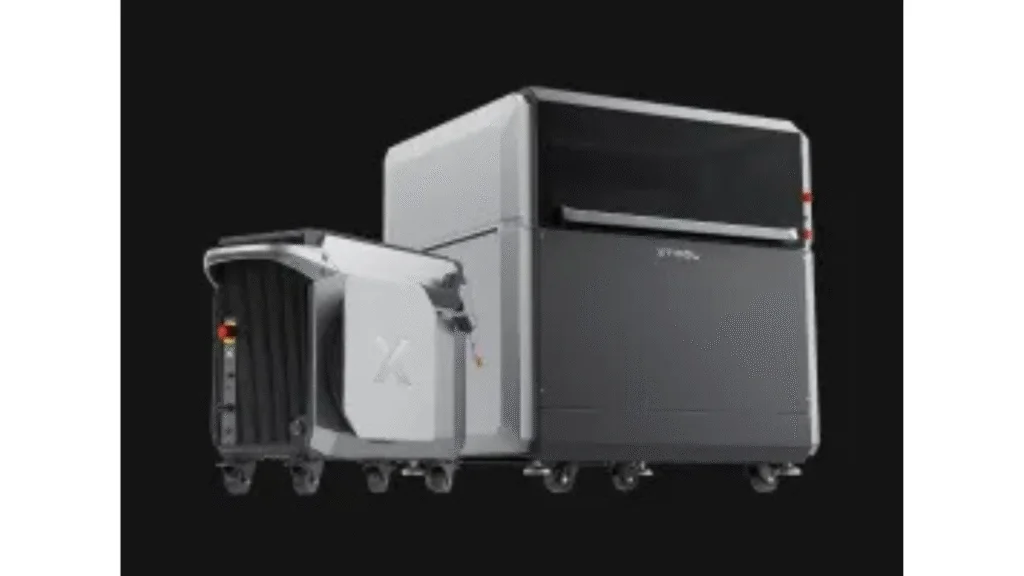
This xTool Materials Guide is a TOFU reference for setting power and speed by material type. It is designed to help beginners avoid burn marks, weak engraving, and wasted blanks.
[rank_math_toc]
In Summary
Start low power + higher speed, then iterate in small steps. Material variability means test matrices always beat one static preset.

Material setup framework before first run
- Classify material (wood, acrylic, leather, metal-coated, paperboard).
- Set conservative baseline values for power and speed.
- Run a grid test with small increments.
- Log acceptable ranges for repeat production.
Power/speed guidance by material type
Wood: moderate power, moderate speed, multiple passes for deeper results.
Acrylic: lower speed, tuned air assist, focus on edge quality.
Leather: lower power and higher speed to reduce odor and burn.
Coated metal marking: controlled power spikes with slow test increments.
Need current xTool offers before upgrading material workflow?

Internal references for better setup decisions
xTool M1 Ultra vs P2S vs F1 Ultra
xTool F2 Ultra Review After Real Workflow Testing
xTool Promo Codes 2026: Verified Deals & Savings Guide
FAQ
Can I copy presets from another user directly? Use them as a starting point, then recalibrate on your own stock.
What is the safest first test? Small grid tests with limited area and controlled increments.
Why do settings fail across suppliers? Material coating and density vary even with similar labels.
Bottom CTA
Track live xTool category deals for material-focused users
Final takeaway
A repeatable materials test workflow is the fastest path to cleaner output and lower waste.
xTool Materials Guide: deeper execution notes
To improve decision quality, evaluate xTool Materials Guide using a repeatable workflow rather than one-off comparisons. The strongest outcomes usually come from standardizing test criteria, documenting assumptions, and reviewing post-checkout performance over multiple cycles.
Teams that track process metrics consistently can reduce rework, improve throughput stability, and protect margins even when market pricing changes. This is especially important when selecting tools, software flows, or upgrade paths tied to long-term operations.
xTool Materials Guide: deeper execution notes
To improve decision quality, evaluate xTool Materials Guide using a repeatable workflow rather than one-off comparisons. The strongest outcomes usually come from standardizing test criteria, documenting assumptions, and reviewing post-checkout performance over multiple cycles.
Teams that track process metrics consistently can reduce rework, improve throughput stability, and protect margins even when market pricing changes. This is especially important when selecting tools, software flows, or upgrade paths tied to long-term operations.
xTool Materials Guide: deeper execution notes
To improve decision quality, evaluate xTool Materials Guide using a repeatable workflow rather than one-off comparisons. The strongest outcomes usually come from standardizing test criteria, documenting assumptions, and reviewing post-checkout performance over multiple cycles.
Teams that track process metrics consistently can reduce rework, improve throughput stability, and protect margins even when market pricing changes. This is especially important when selecting tools, software flows, or upgrade paths tied to long-term operations.
xTool Materials Guide: deeper execution notes
To improve decision quality, evaluate xTool Materials Guide using a repeatable workflow rather than one-off comparisons. The strongest outcomes usually come from standardizing test criteria, documenting assumptions, and reviewing post-checkout performance over multiple cycles.
Teams that track process metrics consistently can reduce rework, improve throughput stability, and protect margins even when market pricing changes. This is especially important when selecting tools, software flows, or upgrade paths tied to long-term operations.
xTool Materials Guide: deeper execution notes
To improve decision quality, evaluate xTool Materials Guide using a repeatable workflow rather than one-off comparisons. The strongest outcomes usually come from standardizing test criteria, documenting assumptions, and reviewing post-checkout performance over multiple cycles.
Teams that track process metrics consistently can reduce rework, improve throughput stability, and protect margins even when market pricing changes. This is especially important when selecting tools, software flows, or upgrade paths tied to long-term operations.
xTool Materials Guide: deeper execution notes
To improve decision quality, evaluate xTool Materials Guide using a repeatable workflow rather than one-off comparisons. The strongest outcomes usually come from standardizing test criteria, documenting assumptions, and reviewing post-checkout performance over multiple cycles.
Teams that track process metrics consistently can reduce rework, improve throughput stability, and protect margins even when market pricing changes. This is especially important when selecting tools, software flows, or upgrade paths tied to long-term operations.
xTool Materials Guide: deeper execution notes
To improve decision quality, evaluate xTool Materials Guide using a repeatable workflow rather than one-off comparisons. The strongest outcomes usually come from standardizing test criteria, documenting assumptions, and reviewing post-checkout performance over multiple cycles.
Teams that track process metrics consistently can reduce rework, improve throughput stability, and protect margins even when market pricing changes. This is especially important when selecting tools, software flows, or upgrade paths tied to long-term operations.
For official material compatibility and examples, review xTool selected materials before testing final production settings.
Final note: keep xTool Materials Guide aligned with your project scope, budget, and workflow before checkout.
Best laser cutter for small business 2026
New xTool Workflow Reads
xTool Creative Space vs LightBurn: Which Workflow Is Better?
Laser Safety Setup Checklist for Home Workshops
Best Accessories for xTool Users (Air Assist, Rotary, Exhaust)
Related resources
FAQ
How should I evaluate xTool before buying?
Validate use-case fit, total checkout value, and workflow requirements before final payment.
What is the biggest buyer mistake?
Comparing headline discounts without checking plan scope, exclusions, and final cart economics.
Should I verify deals before checkout?
Yes. Always re-check active offers and compare final totals in one checkout session.